
How to get commercial insurance leads from property ownership data
Find commercial insurance leads in property records: target recent sales, refinances and building age, then reach the real owner behind the LLC.
How to get commercial insurance leads from property ownership data
Find commercial insurance leads in property records: target recent sales, refinances and building age, then reach the real owner behind the LLC.

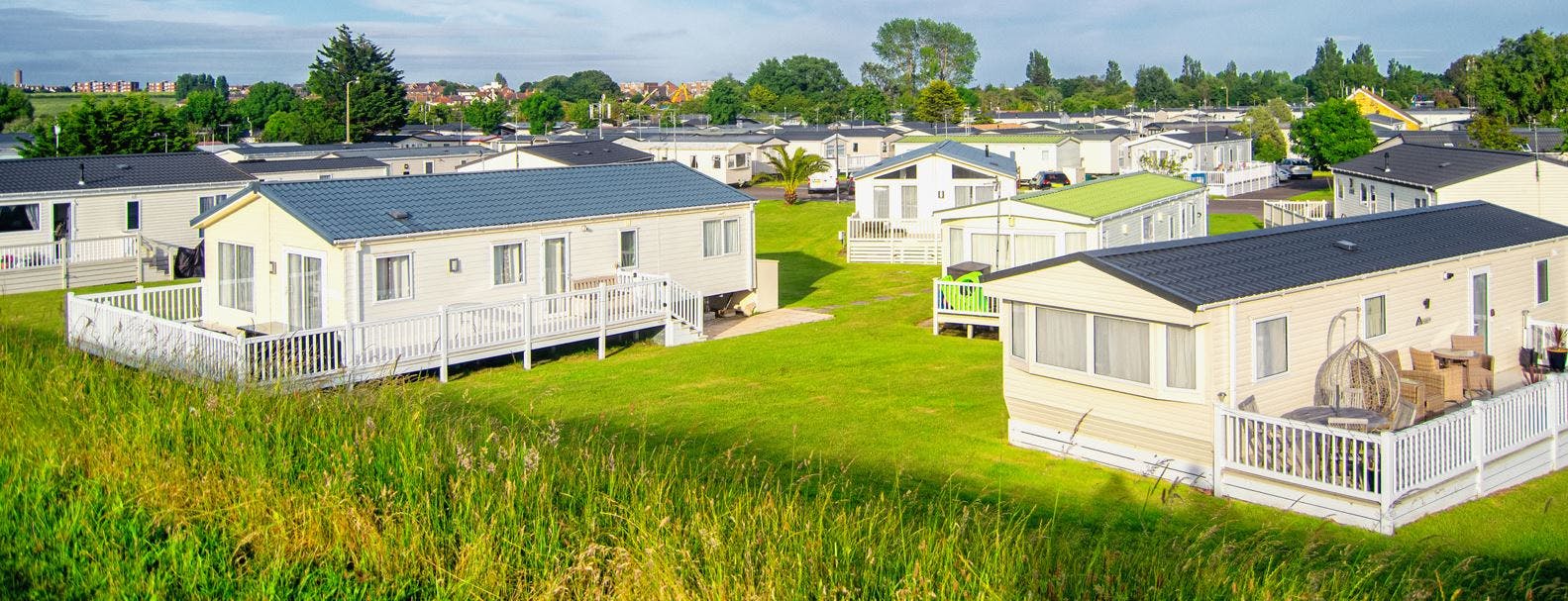

Most commercial insurance leads are bought from a vendor or dialed from a business list, which means you end up calling the same owners as every other agency in town. Property ownership data works differently. Public records show when a commercial building changes hands, gets refinanced or passes a certain age, and each of those events gives the owner a reason to look at coverage. This guide covers the trigger events to watch, the building attributes that tell you whether a risk fits your carriers' appetite, how to find the real decision maker behind an LLC, and how to turn that research into outreach owners answer.
Why property data beats bought lead lists
Property data gives commercial insurance agents leads with a built-in reason to talk. A bought lead is usually a shopper who filled in a form and was sold to several agents at once. A property record shows who owns a building, when they bought it, how it is financed and what it is used for, so you can reach owners while coverage is being decided, before they start shopping.
Bought leads still have a place. They deliver quote requests quickly, and Phonexa's 2026 pricing guide puts commercial insurance web form leads at $5 to $30 each and live transfers at $30 to $120. The problem is competition. A shared lead reaches several agencies, the owner expects a price fight, and the account often goes to whoever quotes lowest.
Property ownership data reverses the order. Instead of waiting for an owner to raise a hand, you find owners whose situation just changed. For commercial property and casualty (P&C) agents, that makes it a stronger source in three ways:
Timing. County recorders usually post new deeds within days of closing, so a recent sale or refinance is a fresh signal rather than an aged list.
Exclusivity. A lead you build from property records belongs to you. No vendor sold the same name to five other agencies this morning.
Pre-qualification. Building age, size, use and location are visible before you call, so you spend time only on risks your carriers want to write.
Reonomy covers more than 54 million U.S. commercial properties and more than 68 million property transactions, which is enough to build a list for almost any territory, property type or account size.
Trigger events to watch
The best commercial insurance leads come from events that force a coverage decision. A recent sale means a new owner who needs a policy in force by closing. A new mortgage or refinance comes with lender insurance requirements. Loan maturities, foreclosures, renovations and tax reassessments all change a building's risk or its owner's costs, which gives you a timely reason to call.
Recent sales
When a commercial property sells, the buyer has to bind coverage before closing, often on a tight timeline set by the lender. That first policy is placed under pressure, which makes its first renewal a natural point to offer a full review. Filter for sales in the last 30 to 90 days in your territory and you have a list of owners who are still setting up their vendors. Our guide to finding recently sold commercial properties covers county sources and how the search works in Reonomy.
New mortgages and refinances
Commercial lenders typically require property coverage, and often liability coverage, as a condition of the loan. A new mortgage or refinance means the owner has just been through that review. Mortgage records show the lender, loan amount and recording date, and the maturity date tells you when the next financing event is likely, along with the next insurance review.
Loan maturities and foreclosures
A loan coming due in the next 12 to 24 months points to a refinance or sale ahead. Pre-foreclosure filings and scheduled auctions signal an ownership change that will need new coverage. Both are worth tracking, but approach owners under financial pressure with care and lead with help on the transition rather than a pitch.
Renovations and tax reassessments
A recent renovation can mean new systems, a higher replacement cost and a policy limit that no longer matches the building. A jump in assessed value or in the tax bill is another sign the building's value has moved, which makes underinsurance a fair question to raise on the first call.
Building attributes that matter to underwriting
Carriers price and accept commercial property risks based on construction, occupancy, protection and exposure, often shortened to COPE. Property records answer much of that before your first call: year built and renovated, square footage, floors and units, property type, zoning and location. Matching those attributes to each carrier's appetite filters out risks you cannot place and points you to accounts worth quoting.
Building age and renovation year
Age is one of the first questions on most commercial property applications because it hints at the condition of the roof, wiring, plumbing and heating. An older building that has never been updated can be harder to place, while a recent renovation can make the same building more attractive to underwriters. Filter on both year built and year renovated to tell the two apart.
Size, floors and units
Square footage and floor count drive replacement cost, and replacement cost drives premium. Size also tells you how big the account is before you pick up the phone. A 4,000 square foot retail strip and a 300,000 square foot distribution warehouse are different conversations with different carriers. For apartment buildings, the residential unit count helps you size a habitational risk quickly.
Property type and location
Property type is the occupancy part of COPE. Office, retail, industrial, multifamily, hospitality and mixed-use buildings carry different hazards, and most carriers have clear preferences among them. Pick two or three property types your markets write well and go deep, since owners respond to an agent who already understands their kind of building. Filter out the types your carriers avoid. Then narrow by state, county or ZIP code so every name on the list sits inside the states where you hold a license.
Who occupies the building
The owner is not the only buyer at an address. Every business that leases space needs general liability, and depending on its size, workers' compensation, a business owner's policy (BOP) or coverage for its contents. Reonomy's tenant data lists the occupants at a property along with their industry codes and employee counts, so one building search can surface the owner and the businesses inside it.
Finding the decision maker behind the LLC
Most commercial properties are held in an LLC or another entity, so the name on the deed is rarely the person who buys insurance. Reonomy rolls up entity structures to surface the likely owner behind the LLC and ranks contacts by confidence. That turns a legal entity name into a person you can call, email or mail.
Doing this by hand means looking up the LLC in the secretary of state registry, finding the managing member or registered agent, and then hunting for a phone number. Our guide on how to find out who owns an LLC property walks through each step. That works for a few properties, not for a weekly list. Reonomy connects ownership records, corporate registries and transaction history to point you to the commercial property owners behind each building, drawing on more than 30 million owner contact records.
Multi-property owners are larger accounts
An owner who holds several buildings is worth more than a single-property owner. One relationship can cover a full schedule of locations, and an agent who sees the whole schedule can spot gaps and overlaps between policies. Use portfolio data to find every property an owner controls, then lead with a review of the whole program rather than a quote on one building.
Outreach that works
Outreach to property owners works when the first message names the event you spotted and offers something small and specific. Reference the purchase, refinance or building detail, ask one question the owner can answer quickly, and offer a coverage review or a second quote before renewal. Owners who are not ready to switch can still tell you when their policy expires, which gives you a date to plan around.
Lead with the trigger
A generic introduction gets ignored. A message tied to the owner's own building gets read. A few examples:
Recent buyer: "Congratulations on closing on 1200 Industrial Way. Now that the building is yours, I'd be glad to review the property and liability program before its first renewal."
Refinance: "I saw the new loan recorded on your Main Street retail center. If the lender's coverage requirements changed with it, I can check your policy against them in 20 minutes."
Portfolio owner: "You own four industrial buildings in Maricopa County. I work with owners who want one review across every location so nothing falls between policies."
Match the channel to the owner
Phone calls, direct mail and in-person visits suit local owners with one or two buildings, where the owner is often the person who answers. A drop-in with a property-specific reason to talk is more memorable than a generic card. For larger portfolios, the buyer may be a CFO, asset manager or risk manager, so a direct email or LinkedIn message to that person is usually a better fit. Whatever the channel, check federal and state rules on calls, texts and email before you launch, and prospect only in states where you are licensed.
Time it to the renewal
Commercial policies renew on fixed dates, known as the expiration date or X-date, and many agents plan around a 120-day renewal timeline. Ask for the X-date in your first real conversation, log it in your CRM, and reach back out well before the current broker starts remarketing the account.
Make it a weekly routine
Rerun your trigger searches each week as new deeds and mortgages are recorded, qualify the new matches against your carriers' appetite, and export the keepers to your CRM for calling. It is the same owner-first workflow Reonomy built for commercial service providers such as roofers and HVAC contractors, applied to insurance.

Get started with Reonomy
Our Reonomy web app is powered by AI technology to help you access property owner information, property records, company data, and successfully close on commercial real estate deals.
Frequently asked questions
How do I get commercial insurance leads?
How do insurance companies get leads?
Who has the best insurance leads?
How much does an insurance lead cost?
Start with the owners who are deciding now
Commercial insurance prospecting gets easier when you know which owners are making coverage decisions before anyone else does. Property ownership data gives you that head start, from the day a deed is recorded to the day a loan comes due.
Start a free trial of Reonomy and build your first list of recently sold commercial properties in your territory.
Resources