
How to buy an apartment complex, step by step
Most buyers need 20 to 30% down and a 1.25x DSCR to buy an apartment complex. See every step, from buy box to closing, and how to find deals early.
How to buy an apartment complex, step by step
Most buyers need 20 to 30% down and a 1.25x DSCR to buy an apartment complex. See every step, from buy box to closing, and how to find deals early.

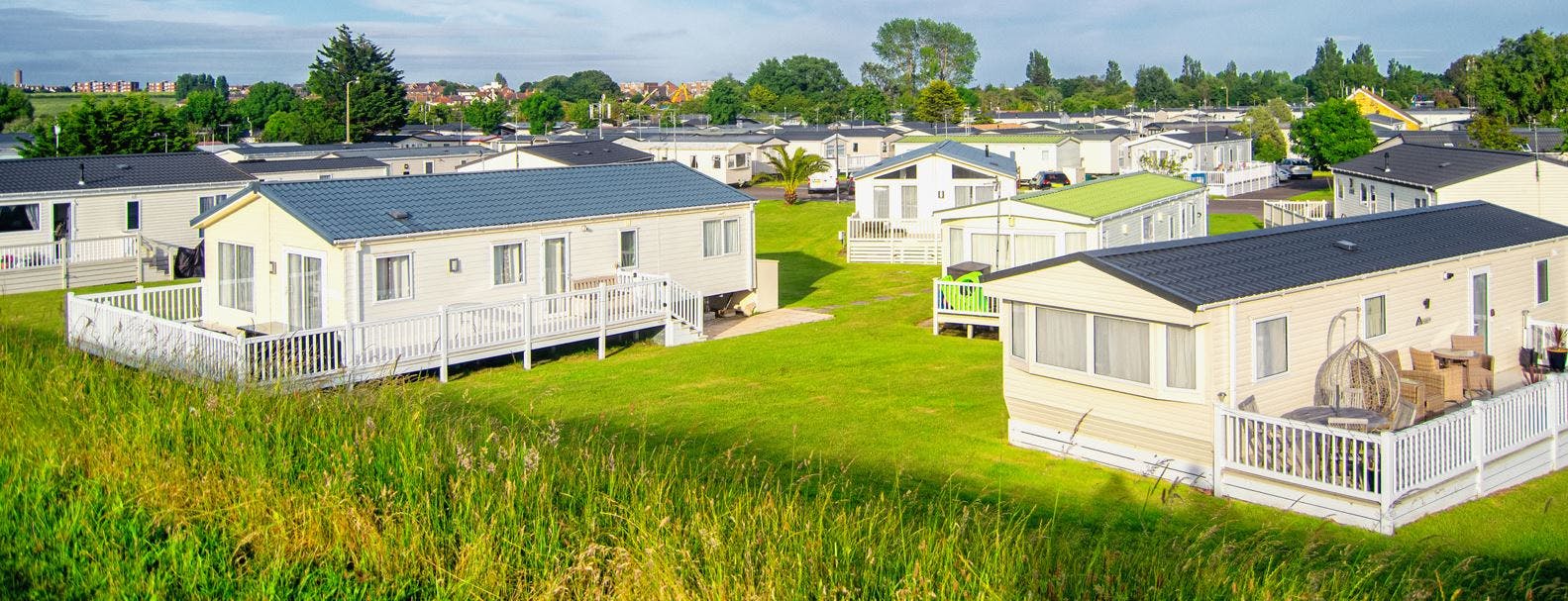

An apartment complex is a residential property with five or more units, and buying one is a commercial real estate transaction. Lenders underwrite the building's income before your personal finances, the deal runs on a letter of intent and a purchase agreement rather than a standard home contract, and many of the better opportunities change hands before a listing ever goes public. This guide covers the full process, what it costs, and how to find apartment complexes worth buying.
Key takeaways
Most buyers need 20 to 30 percent of the purchase price as a down payment, plus closing costs and cash reserves.
Lenders size apartment loans on the property's net operating income and typically require a debt service coverage ratio of at least 1.25x.
Once a property is under contract, due diligence usually runs 30 to 90 days, with financing and closing taking 45 to 90 days alongside it.
Many experienced buyers source deals off-market by filtering ownership, sales and debt records, then contacting the owner before the building is listed.
Is buying an apartment complex a good investment?
Buying an apartment complex can be a sound long-term investment when the property's rental income covers its operating costs and debt with room to spare. Multiple units spread vacancy risk, rents reset as leases turn over, and the building's value rises with its net operating income. The trade-offs are a large upfront investment, hands-on management and an asset that can take months to sell.
Scale is what separates an apartment complex from a rental house. When one tenant moves out of a 20-unit building, the other 19 keep paying, and a new roof or boiler is spread across every unit instead of landing on a single lease. Apartment leases usually run 12 months or less, so an owner can bring rents in line with the market faster than an office or retail landlord tied to multi-year terms.
The risks are just as concrete. Older buildings carry deferred maintenance that a seller's financials rarely show, management takes real time even with a property manager in place, and a weak local job market shows up in vacancy before anywhere else. Whether a specific building is a good investment comes down to its numbers, which is what step four below is for.
How much money do you need to buy an apartment complex?
Most apartment complex buyers need 20 to 30 percent of the purchase price as a down payment, plus closing costs and the cash reserves a lender will want to see. On a $2 million building, that means roughly $400,000 to $600,000 for the down payment alone. The total depends on the building's price, the loan program and how much work the property needs.
Price is driven by location, unit count, age and condition. Multifamily was the most expensive major commercial property type in Q2 2026, at a median sale price of $151 per square foot for properties larger than 5,000 square feet, according to Reonomy transaction data analyzed by Altus Group Research in its Q2 2026 US commercial real estate transaction analysis. At that median, an 18,000-square-foot, 20-unit building would trade for about $2.7 million, and a 25 percent down payment would come to about $680,000.
Cost | What to plan for |
|---|---|
Down payment | 20 to 30 percent of the purchase price for most bank and agency loans |
Closing costs | Often 2 to 5 percent of the purchase price, covering appraisal, title insurance, legal fees and lender fees |
Third-party reports | Appraisal, Phase I environmental site assessment, property condition assessment and survey, usually paid by the buyer |
Lender reserves | Cash held for operating shortfalls and replacement reserves for future capital repairs |
Capital improvements | Deferred maintenance found during inspections, plus any unit upgrades in your business plan |
Lenders look at the buyer too. Many commercial lenders want a credit score of 660 to 680 or higher, a net worth at least equal to the loan amount, and liquid assets left over after closing. Prior experience owning rental property helps, and some loan programs give better terms to borrowers who have managed multifamily before.
What are the steps to buy an apartment complex?
Buying an apartment complex follows eight steps: set a buy box, line up financing, source properties, underwrite the numbers, submit a letter of intent, sign a purchase agreement and complete due diligence, close the loan, and plan management. Expect several months from the first search to closing, with most of the variation coming from how long it takes to find the right building.
Phase | Typical length | What happens |
|---|---|---|
Search and underwriting | Varies widely, often the longest phase | Sourcing, tours, financial analysis and early lender conversations |
Letter of intent to signed purchase agreement | A few weeks | Negotiating price, deposit, due diligence period and closing date |
Due diligence | 30 to 90 days | Inspections, records review and third-party reports |
Financing and closing | 45 to 90 days, overlapping due diligence | Appraisal, credit approval, loan documents and settlement |
1. Define your buy box
A buy box is the set of criteria a property has to meet before you spend time on it: market, unit count range, price range, building class and strategy. Apartment buildings are usually graded Class A (newer, with full amenities), Class B (older but well kept), Class C (older, with fewer amenities and some repair needs) or Class D (dated buildings needing major work). A stabilized Class B or C building is a common first purchase, because it produces income from day one while leaving room to raise rents through upgrades.
Decide on your hold period at this stage as well. A buyer planning a three-year value-add play needs different financing, and tolerates different prepayment penalties, than one planning to hold for 20 years. Many first-time buyers also keep their search within a few hours' drive, so they can reach the property when problems come up.
2. Get prequalified for a commercial loan
Talk to lenders before you make offers. A bank, a credit union, an agency lender or a mortgage broker who places multifamily loans can tell you what leverage, debt service coverage and liquidity they require, which tells you how large a building you can realistically buy. Prequalification also shows sellers and brokers that you can close.
3. Source properties on and off the market
On-market deals come through investment sales brokers and listing platforms; our guide to the sites to find apartment buildings for sale covers the main ones. Off-market deals come from identifying buildings that fit your buy box and approaching the owner directly, which is covered in detail in the next section. Serious buyers usually run both channels at once.
4. Underwrite the numbers
Underwriting tells you what the building is worth to you and whether a lender will finance it. Start with the rent roll and the trailing 12-month operating statement (T12), then calculate three figures:
Net operating income (NOI): gross rental and other income, minus vacancy and operating expenses. Debt service is not an operating expense.
Cap rate: NOI divided by the purchase price. It lets you compare buildings regardless of how they are financed.
Debt service coverage ratio (DSCR): NOI divided by annual loan payments. Most multifamily lenders want at least 1.25x.
Here is how those numbers interact. Take a $2.7 million building with $162,000 of NOI, a 6 percent cap rate. A 75 percent loan of $2,025,000 at an illustrative 6.5 percent interest rate on a 30-year amortization costs about $153,600 a year, for a DSCR of roughly 1.05x. That falls short of a 1.25x requirement, so the lender would cap the loan at about $1.7 million, or 63 percent of the price, and the buyer would need a larger down payment or a lower price.
Check the seller's numbers against reality. Operating expenses for apartment buildings typically run 35 to 50 percent of gross income, so a T12 showing 20 percent usually means deferred maintenance or missing costs. Rents that sit well above the market, or occupancy far higher than nearby buildings, deserve the same scrutiny.
5. Submit a letter of intent
A letter of intent (LOI) sets out the business terms of your offer: price, earnest money deposit, length of the due diligence period, financing contingency and target closing date. It is generally non-binding on the purchase itself, and it gives both sides a basis for negotiation before attorneys draft the contract.
6. Sign the purchase agreement and complete due diligence
Once the LOI is accepted, the buyer's attorney drafts a purchase and sale agreement (PSA) covering the deposit, due diligence timeline, representations and warranties, and closing conditions. The due diligence period that follows is when you verify everything the seller has told you, using the records listed later in this guide.
7. Close the loan and the purchase
Financing runs alongside due diligence: the lender orders the appraisal and environmental report, approves the credit and issues loan documents. Most buyers hold the property in a limited liability company (LLC) set up by their attorney, though a lender's personal guarantee still exposes personal assets. At closing, review the settlement statement carefully, including prorated rents and taxes and the transfer of tenant security deposits.
8. Plan for management
Decide before closing whether you will self-manage or hire a property management company. Management fees vary by market and portfolio size, and most owners of buildings with more than a handful of units use a professional manager. Set aside capital reserves from the start, because roofs, boilers and unit turnovers will need funding whether or not the year's cash flow is strong.
How to find apartment complexes before they list
To find apartment complexes before they list, filter property records for buildings that match your buy box, then look for signals that an owner may be ready to sell, such as a long hold period or a loan nearing maturity. Identify the person behind the owning LLC and contact them directly, before a broker brings the building to market.
A listed building is usually sold through a marketed process with several bidders. An off-market conversation is between you and the owner, which gives you more room on price, terms and timing. The trade-off is effort: you need a list of target buildings, a reason to call each owner, and the patience to follow up for months. Our off-market multifamily sourcing workflow breaks that process into repeatable steps.
Signal | What to filter for | Why it matters |
|---|---|---|
Size | Residential unit count and building square footage | Keeps the target list inside your buy box |
Age | Year built and year renovated | Older, unrenovated buildings are value-add candidates and often have capital needs the owner may not want to fund |
Hold period | Last sale date ten or more years ago | Long-term owners may have large equity and estate or retirement reasons to sell |
Loan maturity | Mortgage maturity date in the next 12 to 24 months | An owner facing a refinance at a higher rate may prefer to sell |
Property taxes | Large year-over-year tax increases | Rising taxes cut into NOI and can push a marginal owner toward a sale |
Distress | Pre-foreclosure filings and CMBS watchlist status | Points to owners under pressure from their lender |
Most apartment buildings are owned through LLCs, so county records often stop at an entity name with no phone number attached. Reonomy resolves those entities to the people behind them and scores each contact by how likely it is to belong to the actual owner. Our guide on how to find out who owns an LLC that owns a commercial property explains how that resolution works. [Link to OCT-03 blog URL once published]
Once you know who the owner is, you can see an owner's entire property portfolio and decide whether to pitch one building or several. An owner with three aging buildings in the same submarket may be more open to a portfolio sale than to selling one property at a time.
For a deeper walkthrough of the ownership research itself, including how to work through layered entities, see our guide on how to find the owners of multifamily properties.
When you reach out, be specific. Name the building, mention what you know about it, and say what kind of deal you can do. Response rates on cold outreach are low, so the buyers who win off-market deals tend to be the ones who keep a long list and follow up consistently.
What records should you pull during due diligence?
During due diligence, pull the records that confirm the building's income, physical condition and legal status: the rent roll and T12, leases, sales and tax history, mortgage records, a title report, a Phase I environmental assessment, a property condition assessment and a survey. Check the seller's documents against independent records rather than taking them at face value.
Record | What it tells you | Where it comes from |
|---|---|---|
Rent roll | Unit-by-unit rents, lease dates, deposits and occupancy | Seller |
T12 operating statement | Actual income and expenses over the past 12 months | Seller |
Leases and bank deposits | Whether the rents on the rent roll are actually being collected | Seller |
Sales history | Prior sale prices and price per unit for the building and nearby comparables | County deed records and property data platforms |
Mortgage history | Existing liens, lenders and maturity dates | County recorder and property data platforms |
Property tax history | Assessed values, tax trend and the risk of reassessment after the sale | County assessor |
Title report | Ownership, liens and easements | Title company |
Phase I environmental site assessment | Potential contamination; can trigger Phase II testing | Environmental consultant, often ordered by the lender |
Property condition assessment | Age of building systems, near-term capital needs and replacement reserves | Engineering firm |
Survey and zoning report | Boundaries, easements and whether the current use is legal | Surveyor and zoning consultant |
Debt records matter on the buy side too. Knowing the existing loan amount, lender and maturity tells you how much flexibility the seller has on price and whether the loan could be assumed. Our guide to finding commercial mortgage data explains where those records come from and how to read them.
Inspect a meaningful sample of units, not just the model unit, and price every major repair into your offer before the due diligence period ends. Once it closes, your leverage to renegotiate largely goes with it.
What are the financing options for an apartment complex?
Apartment complexes with five or more units are financed with commercial multifamily loans, not residential mortgages. The main options are agency loans from Fannie Mae and Freddie Mac, HUD/FHA multifamily loans, bank and credit union loans, CMBS loans, bridge loans and seller financing. Each one trades off leverage, loan term, recourse and how strict the borrower requirements are.
Loan type | Typical profile | Best fit |
|---|---|---|
Agency (Fannie Mae, Freddie Mac) | Up to about 80 percent loan-to-value, long amortization, usually non-recourse, minimum DSCR around 1.25x | Stabilized buildings and borrowers with solid net worth and liquidity |
HUD/FHA multifamily, such as 223(f) | Long fixed-rate, fully amortizing terms and higher leverage, with a slower approval process | Long-term holders, usually with prior multifamily experience |
Bank or credit union | Often about 25 percent down and recourse, with 5 to 10 year terms on a 25 to 30 year amortization and a balloon payment at maturity | Smaller deals and buyers with a local banking relationship |
CMBS | Typically $2 million and up, non-recourse, serviced by a third party after closing | Larger stabilized buildings |
Bridge | Short-term loan covering the purchase and renovation, refinanced once the property stabilizes | Value-add buyers repositioning a building |
Seller financing | Terms negotiated directly with the owner, who carries part of the price | Off-market deals with owners who hold the property free and clear |
Pay attention to recourse. A recourse loan lets the lender pursue your personal assets if the property cannot repay the debt, while a non-recourse loan limits the lender to the property itself, apart from standard "bad boy" carve-outs for fraud or misconduct. For more on how each loan type works, see our breakdown of commercial real estate loans, their terms and lenders.

Get started with Reonomy
Our Reonomy web app is powered by AI technology to help you access property owner information, property records, company data, and successfully close on commercial real estate deals.
Frequently asked questions
How much money do I need to buy an apartment complex?
Is buying an apartment complex a good investment?
How profitable is owning an apartment complex?
How much does a 20 unit apartment complex cost?
What is the best way to buy an apartment complex?
Find your next apartment complex before it lists
The financing and due diligence steps are the same for every buyer; where you gain an edge is finding the right building first. Reonomy lets you filter more than 54 million U.S. commercial properties by unit count, year built, sale history and loan maturity, then reach the owner behind the LLC.
CTA button: Start a free trial, linking to https://www.reonomy.com/free-trial/
Resources